AI-Enabled Visual Storytelling
Tiny Life, Big World
What happens when emerging tools are directed with a storyteller's eye?
View the channelWhy I made it
Tiny Life, Big World started as an experiment in perspective.
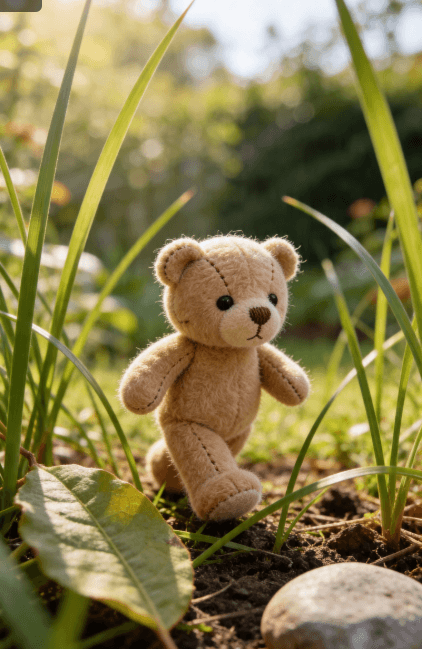
I wanted to take ordinary moments and familiar experiences and make them feel different simply by changing the scale. A walk through a garden, getting ready for the day, taking a first bite, and working out are things that normally feel small but can become entire worlds when you look at them differently.
The project also gave me a place to experiment with emerging creative tools without making the technology the point. I was more interested in what I could direct with it: mood, character, pacing, humor, wonder, and story.
At its core, Tiny Life, Big World is about the idea that sometimes seeing something differently is enough to make you notice it again.
What I wanted the viewer to feel
I wanted the films to create a small moment of curiosity and delight, the kind of reaction that makes someone stop scrolling for a second and look closer.
There is playfulness in the miniature worlds, but I also wanted there to be a sense of wonder underneath them. Something familiar becomes unfamiliar, and that shift in perspective can make an ordinary moment feel surprisingly big.
The goal was never simply, "look what AI can make."
I wanted the viewer to feel like they had briefly stepped into another world.
Signature process
How one tiny world came together
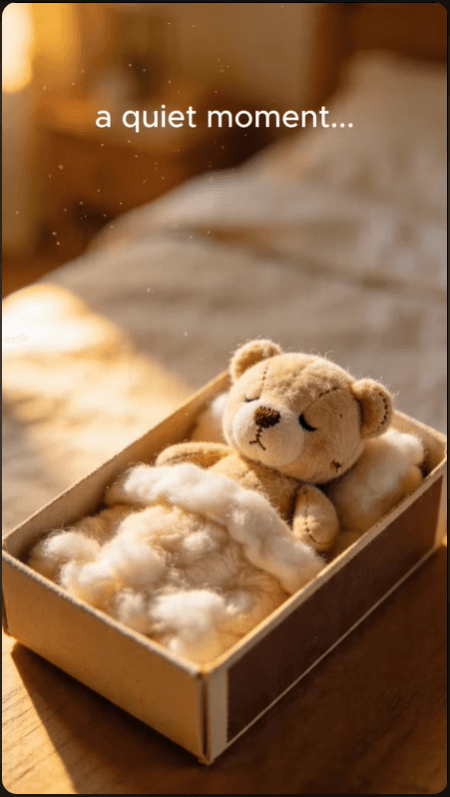
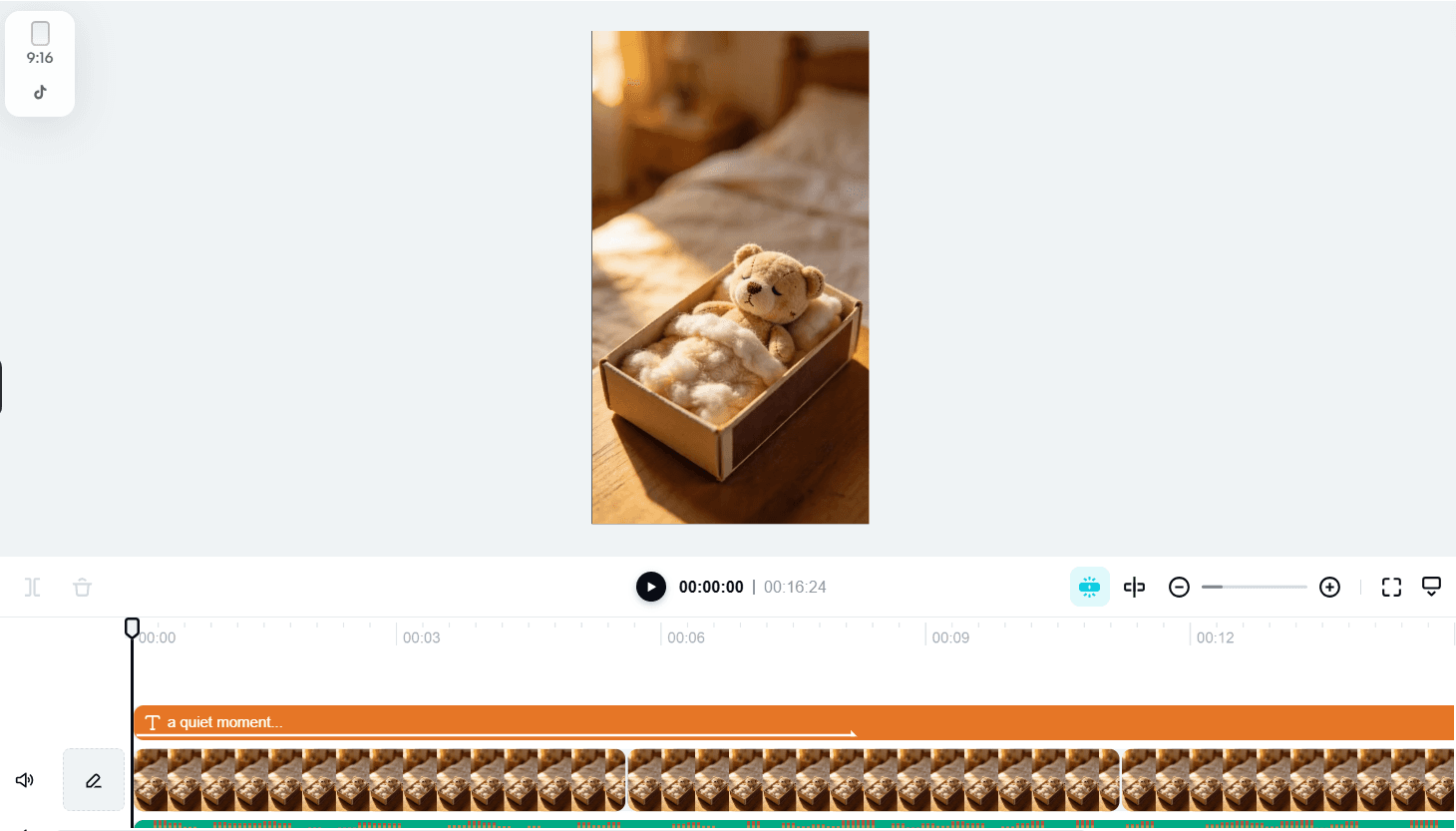
Most of the process evidence in this project can't be tied to one specific finished Short with certainty, so it is shown honestly further down as real evidence from the series rather than a manufactured chain. One Short, "a walk in the garden...", is the exception: its CapCut project's media bin, timeline, and text layer all carry its exact title, so its path can be traced step by step.
Every tiny world starts as a question: what if this ordinary moment happened somewhere else, at another scale?
Visual development
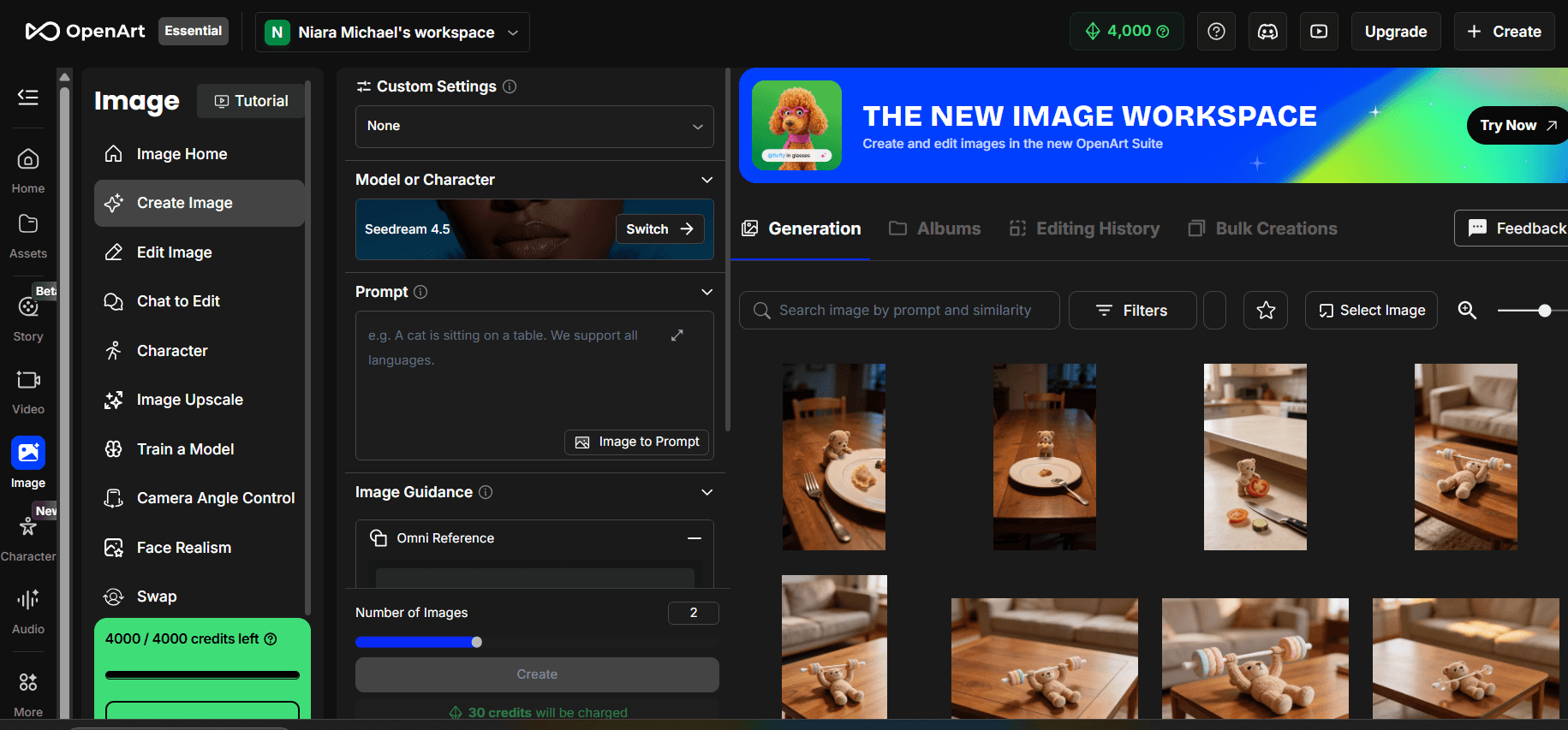
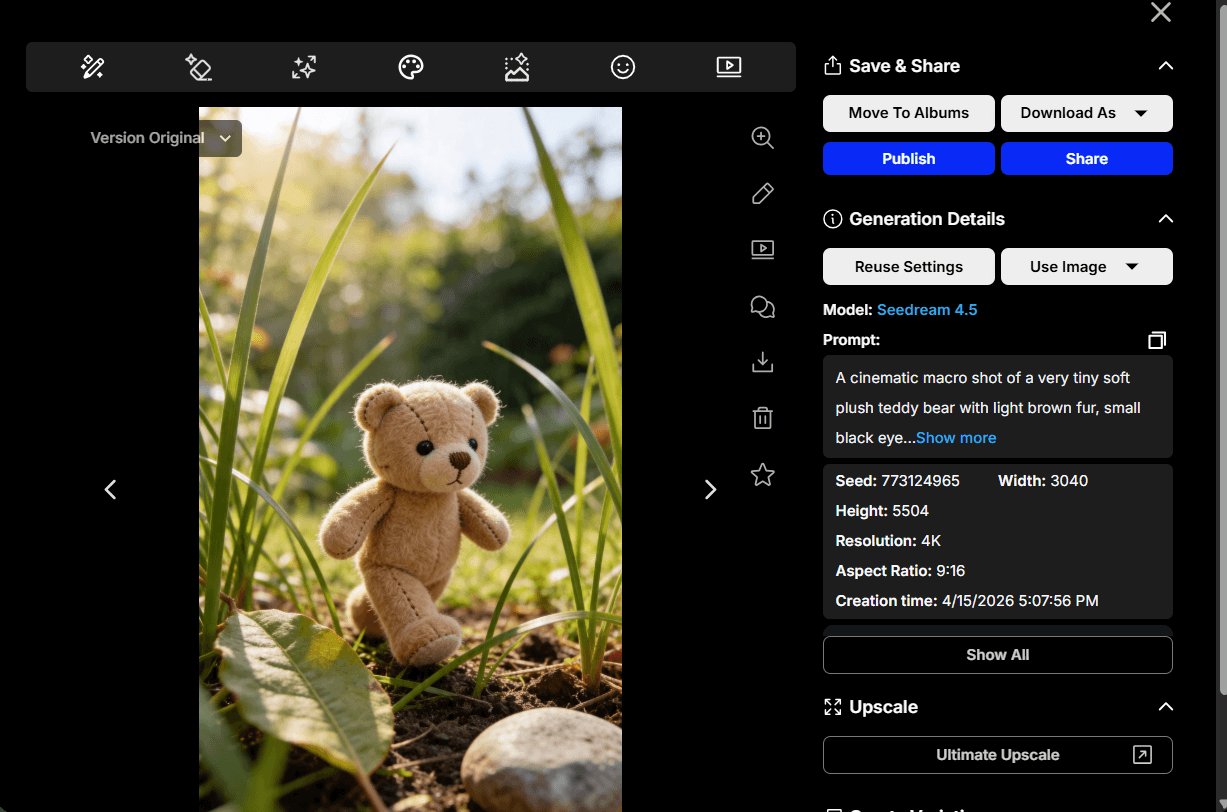
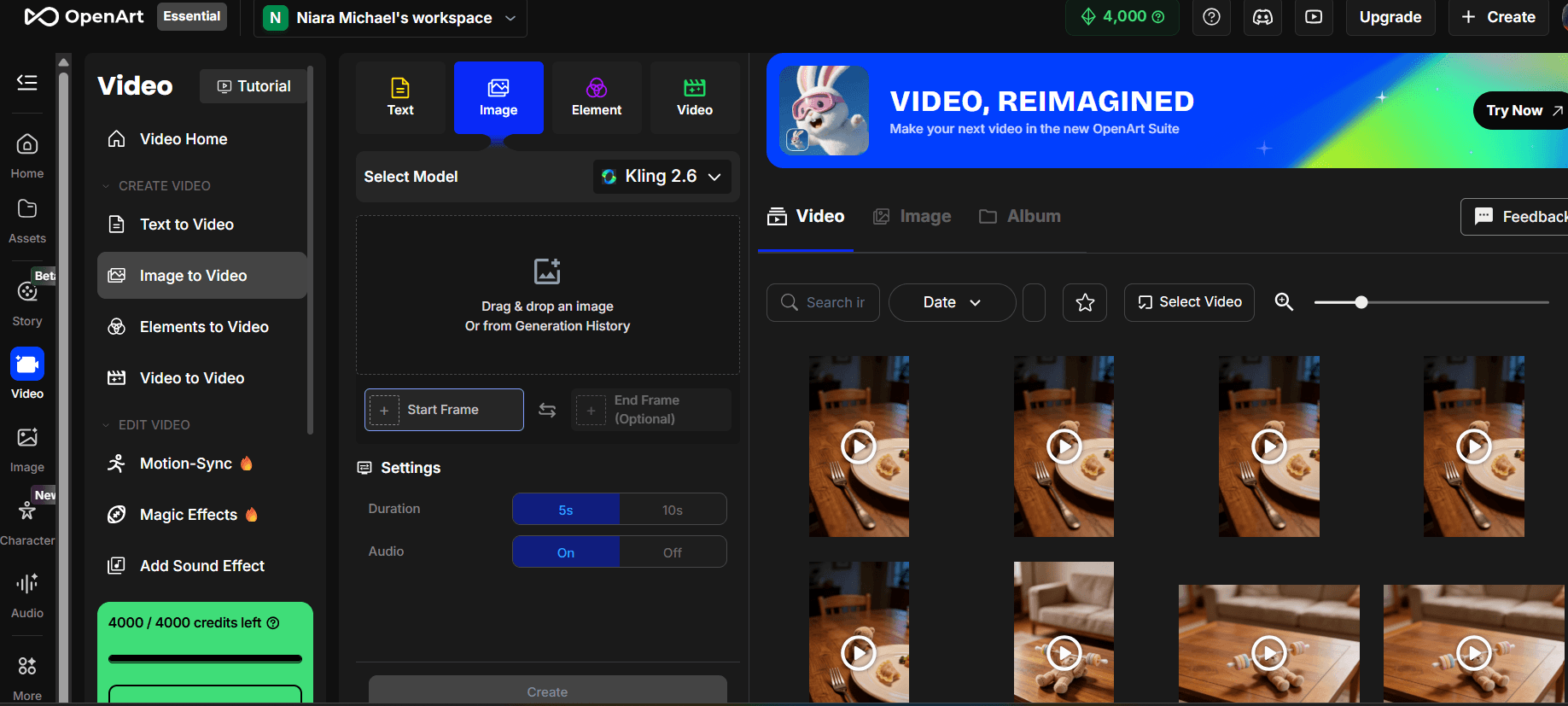
Every Short starts as a batch of possibilities, not a single decision. OpenArt generates several candidate images per prompt with different framing, mood, and small imperfections. The real creative work is choosing which one is worth carrying forward.
OpenArtImage generation using Seedream 4.5
Making it move
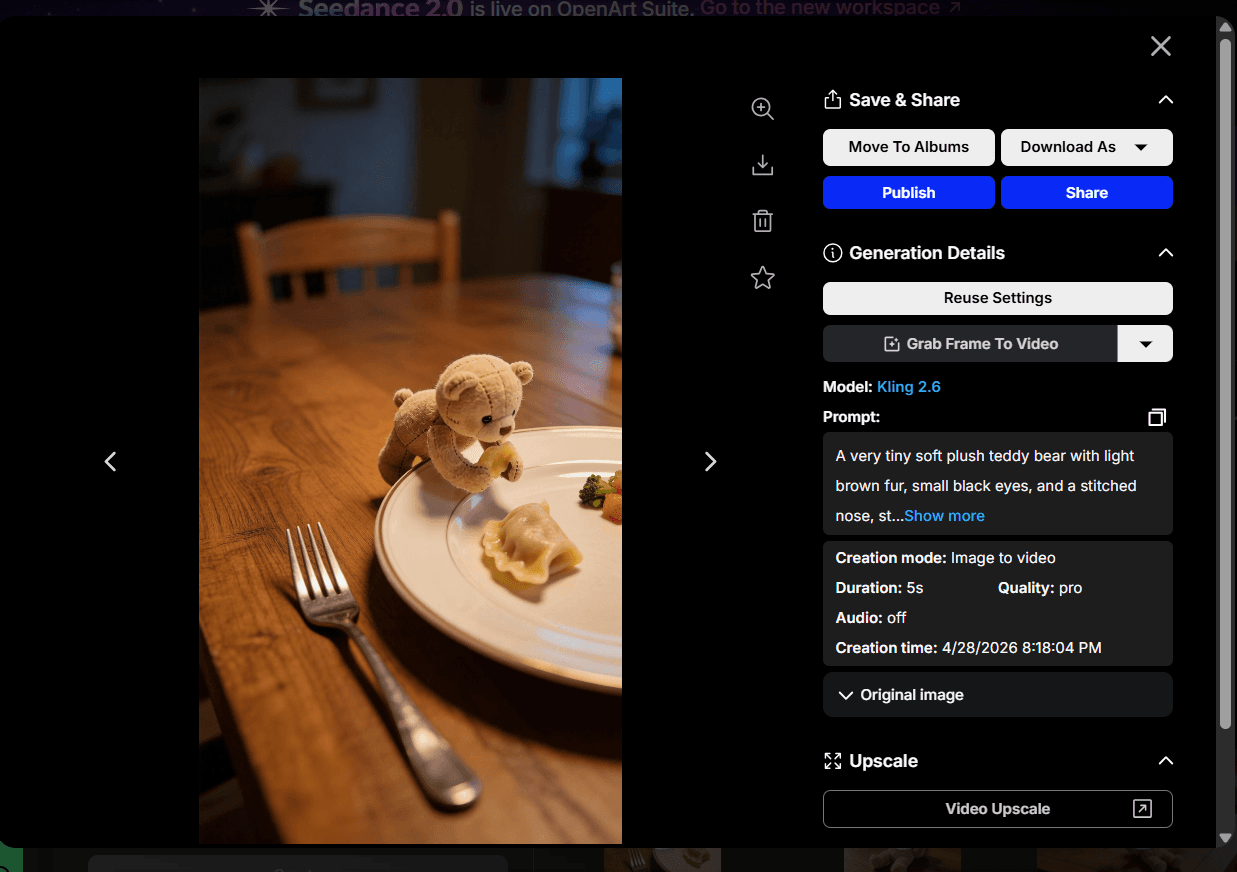
A still image is a pose. Motion is where a character starts to feel alive. That step happens inside OpenArt too, turning a chosen still into a short clip with its own timing and camera settling.
OpenArtImage to Video using Kling 2.6
Editing the story
This is where pacing, timing, and tone get decided through clip sequencing, writing and styling the onscreen text, and choosing what plays underneath it.
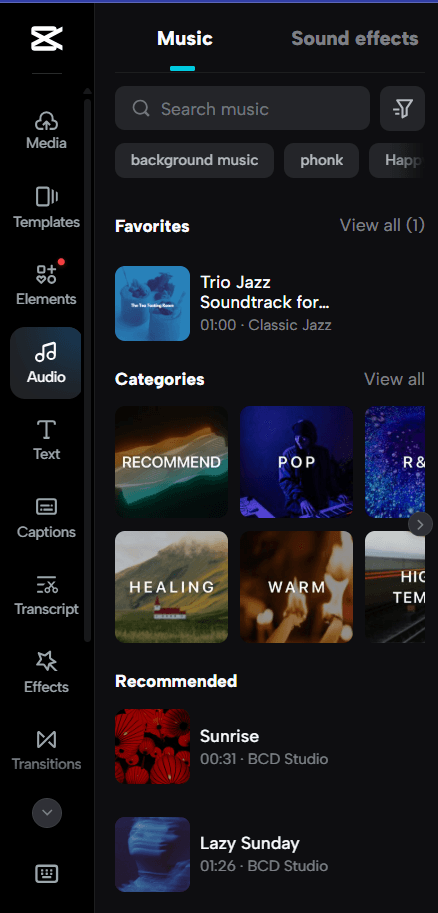
The music comes from CapCut's included Classic Jazz library, with a track shown as "Trio Jazz Soundtrack for..." favorited for the series. No external music platform is used.
What I learned
I learned very quickly that generating an image is only one part of creating something that feels intentional.
The creative work was in deciding what was worth keeping, refining the visual direction, turning still images into motion, choosing how long a moment should last, sequencing scenes, adding text, and finding music that changed the feeling of the final piece.
The tools could generate possibilities quickly, but they could not make all of those decisions for me.
That made the project a useful experiment in what human creative direction looks like when the medium itself is becoming increasingly AI-enabled.
What surprised me
What surprised me most was how much small decisions changed the personality of each film.
A different generation, a few seconds of motion, the placement of one line of text, or the choice of jazz underneath a scene could completely change how the same idea felt.
I also found that the most technically impressive generation was not always the best storytelling choice. Sometimes the image with the clearest mood, expression, or tiny imperfection created a much stronger moment.
What I would try next
I would push the project further into connected storytelling rather than treating every Short as an isolated experiment.
That could mean recurring characters, more deliberate visual continuity, small story arcs across multiple films, and deeper experimentation with how sound, motion, scale, and perspective can work together.
I would also continue exploring emerging creative tools as they evolve, while keeping the same principle at the center of the work: the technology can expand the possibilities, but the story still needs a point of view.